
Insights into PTFE: Innovations and Applications
Dive into the latest developments in PTFE technology and how Imperial Fluoros Technologies supports industrial progress with reliable, high-quality solutions.
5/8/20242 min read
Insights into PTFE: Innovations and Applications
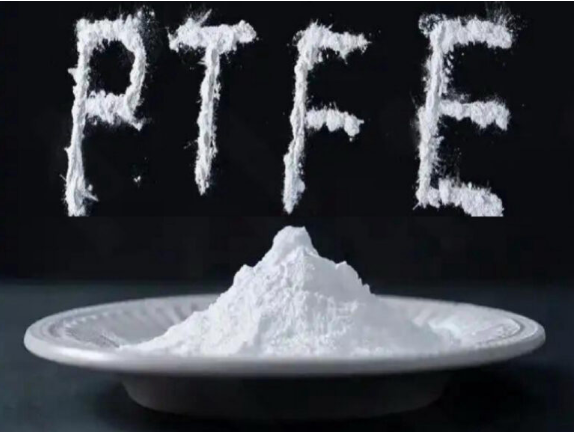
Polytetrafluoroethylene (PTFE), widely recognized under the brand name Teflon, has evolved from a niche material into a cornerstone of modern engineering. Known for its exceptional chemical resistance, low friction, and high thermal stability, PTFE continues to drive innovation across industries ranging from electronics to healthcare. This blog explores the latest advancements in PTFE and its expanding range of applications.
What Makes PTFE Unique?
PTFE is a fluoropolymer with remarkable properties that set it apart from conventional materials:
Non-stick surface: Extremely low coefficient of friction
Chemical inertness: Resistant to almost all chemicals
Thermal stability: Can withstand temperatures from -200°C to +260°C
Electrical insulation: Excellent dielectric properties
These characteristics make PTFE indispensable in environments where durability and reliability are critical.
Recent Innovations in PTFE
1. Modified PTFE (mPTFE)
Traditional PTFE has limitations such as creep and wear under load. Modified PTFE addresses these issues by enhancing mechanical strength and reducing deformation. This makes it suitable for precision components in high-performance industries.
2. Filled PTFE Compounds
By adding fillers like glass fiber, carbon, graphite, or bronze, manufacturers have significantly improved PTFE’s wear resistance, thermal conductivity, and load-bearing capacity. These composites are widely used in bearings, seals, and gaskets.
3. Expanded PTFE (ePTFE)
ePTFE is a microporous form of PTFE that offers flexibility and breathability. It is extensively used in medical implants, filtration systems, and waterproof membranes.
4. PTFE Coatings
Advanced coating technologies now allow PTFE to be applied to metals and other substrates, providing corrosion resistance, non-stick properties, and longer service life in harsh environments.
Industrial Applications of PTFE
1. Chemical Processing Industry
PTFE is used in linings, gaskets, and seals due to its resistance to aggressive chemicals. It ensures safety and longevity in pipelines and reactors.
2. Electrical and Electronics
With its excellent insulating properties, PTFE is used in cable insulation, connectors, and circuit boards, especially in high-frequency applications.
3. Automotive and Aerospace
PTFE components reduce friction and wear in moving parts, improving efficiency and lifespan. It is also used in fuel systems and hydraulic seals.
4. Medical and Healthcare
Biocompatibility makes PTFE ideal for surgical implants, vascular grafts, and medical tubing. Its non-reactive nature ensures safety within the human body.
5. Food Processing
PTFE coatings are widely used in cookware and food processing equipment due to their non-stick and non-toxic properties.
Sustainability and Future Outlook
As industries shift toward sustainable practices, PTFE manufacturers are focusing on:
Eco-friendly production processes
Recycling and reuse of PTFE materials
Development of alternatives with lower environmental impact
Innovations in fluoropolymer technology continue to expand PTFE’s capabilities, making it a material of the future.
Conclusion
PTFE remains a vital material in modern engineering, continuously evolving to meet the demands of advanced industries. With ongoing innovations and a growing emphasis on sustainability, PTFE is set to play an even more significant role in shaping the future of technology and manufacturing.
Whether in high-performance industrial applications or everyday consumer products, PTFE’s versatility and reliability make it an irreplaceable material in today’s world.
Contact
Reach out for inquiries or quotes
Phone
info@imperialfluoros.com
+91-7775851004
© 2025. All rights reserved.